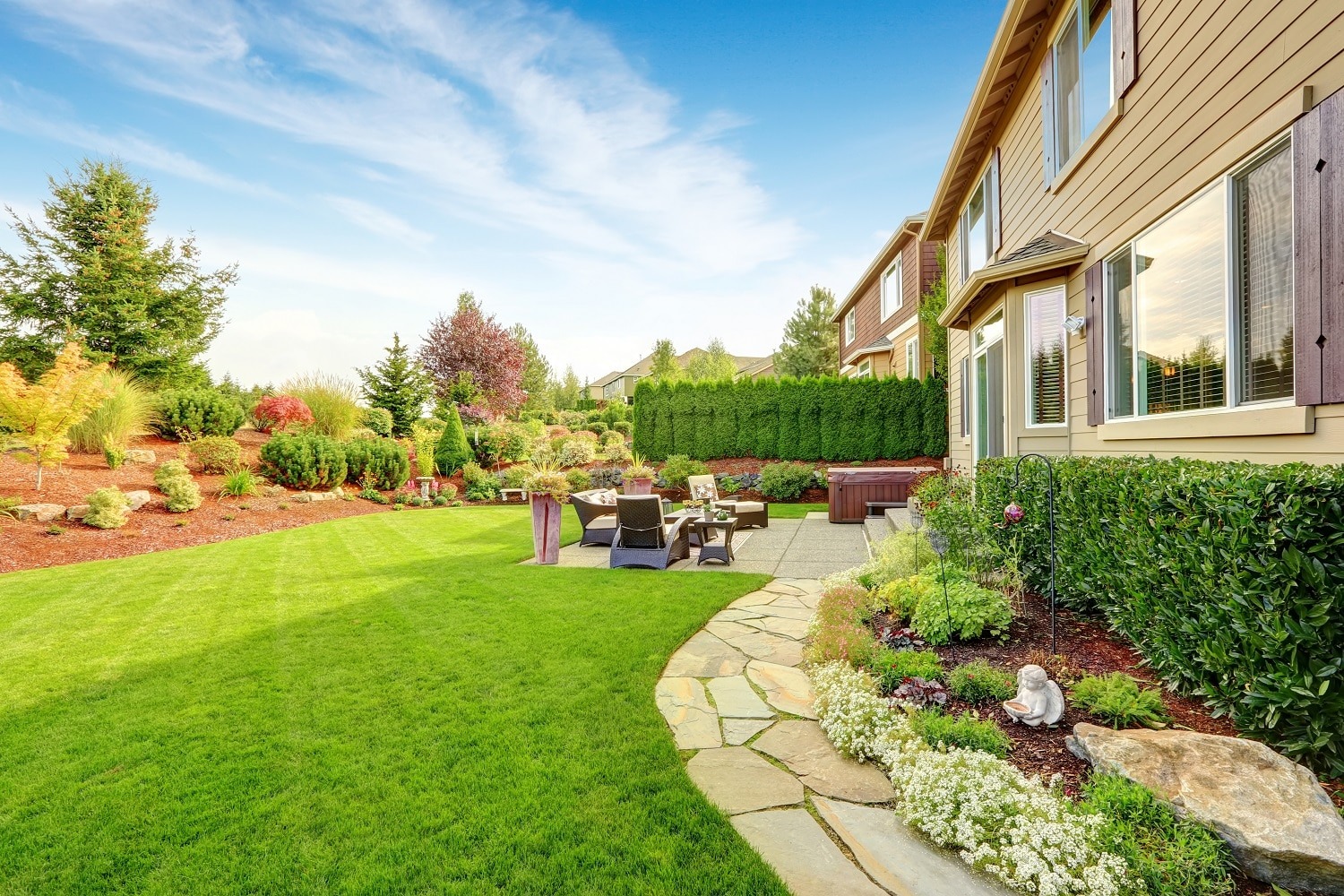
Transform Your Backyard with Eco-Friendly Landscaping Solutions May 19, 2026
Begin by evaluating the current landscape layout and consider incorporating native plants. Native plants are naturally adapted to local climates and soils, making them more resilient and less resource-intensive. They require less water, resist local pests, and typically need less maintenance. Introducing a variety of native species also encourages local wildlife, supporting a balanced ecosystem right in your backyard.
Another effective step towards eco-friendly landscaping is the efficient use of water. Water conservation can be achieved by installing a smart irrigation system or rain barrels to collect rainwater for watering plants. Drip irrigation systems are particularly effective as they deliver water directly to the roots, reducing waste. Also, choosing drought-resistant plant species can significantly reduce water consumption, ensuring that your landscape remains vibrant year-round with minimal water use.
Composting is an excellent way to reduce waste while creating rich soil for your backyard. By turning kitchen scraps and yard waste into compost, you provide plants with nutrient-rich soil amendments, reducing the need for synthetic fertilizers that can harm the environment. Composting not only enriches the soil but also improves its water retention capabilities, further supporting sustainable gardening efforts.
Creating a hardscape with permeable materials is another thoughtful consideration for sustainable landscaping. Permeable pavers, gravel, and other materials allow rainwater to filter through the ground, preventing runoff and erosion. These solutions create attractive and functional paths, patios, and driveways that integrate seamlessly with your eco-friendly garden design.
Mulching is another sustainable practice that protects your plants and improves soil health. Applying a layer of organic mulch around your plants helps conserve moisture, suppress weeds, and regulate soil temperature. Over time, mulch breaks down and enriches the soil, providing a continuous cycle of nourishment for your plants.
Consider incorporating edible elements into your landscape to further the eco-friendly concept. A small vegetable or herb garden can be both aesthetically pleasing and practical. Not only do you get the benefit of fresh produce, but you also reduce your carbon footprint by minimizing the need to purchase store-bought goods that may have traveled long distances to reach you.
Finally, enhance the safety and ambiance of your outdoor living space by installing solar-powered lighting. Solar lights are an energy-efficient way to illuminate pathways and garden features without increasing your carbon footprint. They harness the sun's energy during the day and automatically provide light at night, making them a smart addition to any eco-friendly garden.
Transforming your backyard with eco-friendly landscaping solutions not only enhances your home's curb appeal but also ensures a positive impact on the environment. At New England Outdoor Living, we are committed to helping you create sustainable outdoor spaces that reflect your personal style while being kind to the planet. By following these tips, you can enjoy a beautiful, sustainable backyard year-round, knowing you are contributing to a healthier earth. Embrace these practices and watch your outdoor space thrive sustainably.
/filters:no_upscale()/filters:format(webp)/media/cf400617-dea3-49c8-9f32-c971030df287.jpeg)